Essay · Draft
The digital nomad fantasy has a hangover
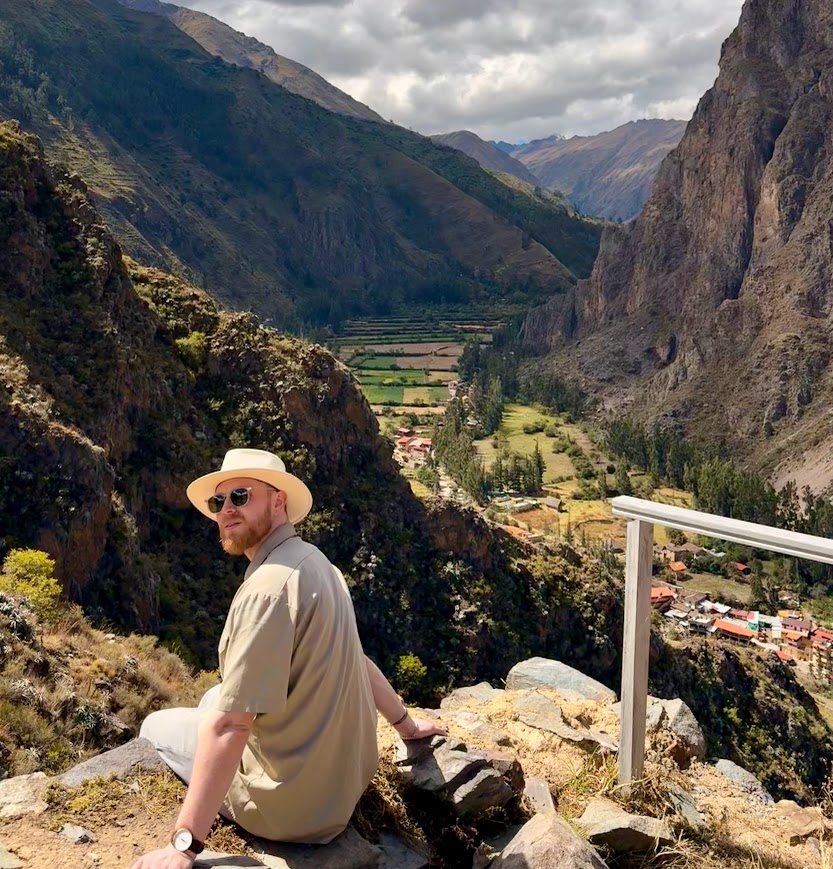
The plan can look straightforward: throw a laptop in a bag, get on a plane, find a cafe, get to work. That gives the laptop an impressive amount of responsibility for the rest of your life.
When I talk about that idea now, I keep coming back to what happens after arrival. I want a routine I can live with and people I enjoy spending time around. Learning enough about a place to feel at home there takes attention. Being somewhere beautiful can be a great reason to start paying it.
The fantasy becomes a problem when it leaves out how you will spend your days. So I want to slow that part down and look at it. There is a whole life sitting between the airport and the next departure photo.
Give the workday some attention
In my own experience, a lot of the work happens in the place I am staying. The cafe idea fits some kinds of work. I have also tried taking calls around enough background noise to become much more interested in what I will hear through the microphone.
My preference now is to decide where the ordinary work will happen before getting too attached to the rest of the plan. If your day includes long calls, walk through those hours. Think about who needs to hear you, whether the conversation needs privacy and what you would do if your connection dropped.
You can give each requirement a place in your plan. A proposed fallback deserves the same attention as the first choice. Find out whether you can use it at the hour you would need it. Keep any answer you have yet to check marked as a question.
I like a map full of possibilities as much as anybody. For this part, I want an answer I can use while someone is waiting for me to rejoin a call.
Leave room for an ordinary life
A longer stay gives you time to figure out what you want from the place beyond seeing it. That is one of the things I like about the idea. You can decide to go somewhere again because you enjoyed being there.
Before choosing a base, I would write down an ordinary week. Start with the work you have to do and whatever helps you feel like a functioning person afterward. Include groceries. Put some thought into how you will spend an evening when you have very little interest in making a decision.
Then make space for the part you came for. A language exchange can go on that page. So can a walk you want to take repeatedly, or a class you would enjoy enough to return to. These are possible ways to spend time. You still have to see how they fit once you arrive.
There is no requirement to give every hour a job. I would leave some of them alone. A plan that needs you to be endlessly energetic sounds exhausting before the plane even leaves.
Follow the inconvenience through
When you write a plan, take one thing you depend on and imagine having to do without it. Use a work connection if that is what worries you. If access to your phone is the concern, write down the next action you would need to take and check whether it requires that same phone.
You are looking for a decision you can make ahead of time. That might mean checking the terms of a service, arranging a separate way to contact someone, or giving yourself more time between travel and an obligation. The details depend on your situation.
I would rather discover the unanswered question while there is time to deal with it. The exercise can also show you where your plan is already fine. There is no prize for turning a trip into an administrative endurance sport.
Let the plan change after arrival
Part of the appeal for me is learning how to do this as I go. You make a decision with the information you have, then find out what you missed. I want to keep the useful part of that attitude while getting better at deciding which mistakes I can afford.
A new place deserves time before I form a settled opinion about it. The same goes for a routine. Something that looked inconvenient on the map can become a part of the day you enjoy. A highly recommended spot can leave you wondering what everyone else was seeing. Your preferences have a place in the decision.
Before the next trip, try putting one ordinary workday on paper. Follow it from waking up through the evening. Circle the part that relies on the most unanswered questions, and work on that first.